Imagine typing a single sentence and watching a computer instantly paint a masterpiece, write a blockbuster script, or draft a complex software program. This is no longer a scene from a science fiction movie; it is the everyday reality of generative artificial intelligence. While traditional algorithms merely crunch numbers, this new wave of tech has learned how to create—and it is radically reshaping the way we work, learn, and communicate.
Whether you are a student, a creative professional, or simply a curious internet user, understanding this technology is no longer optional. Here is a simple, jargon-free guide to what generative AI is, how it works, and why it matters.
The Core Definition: What Is Generative AI?
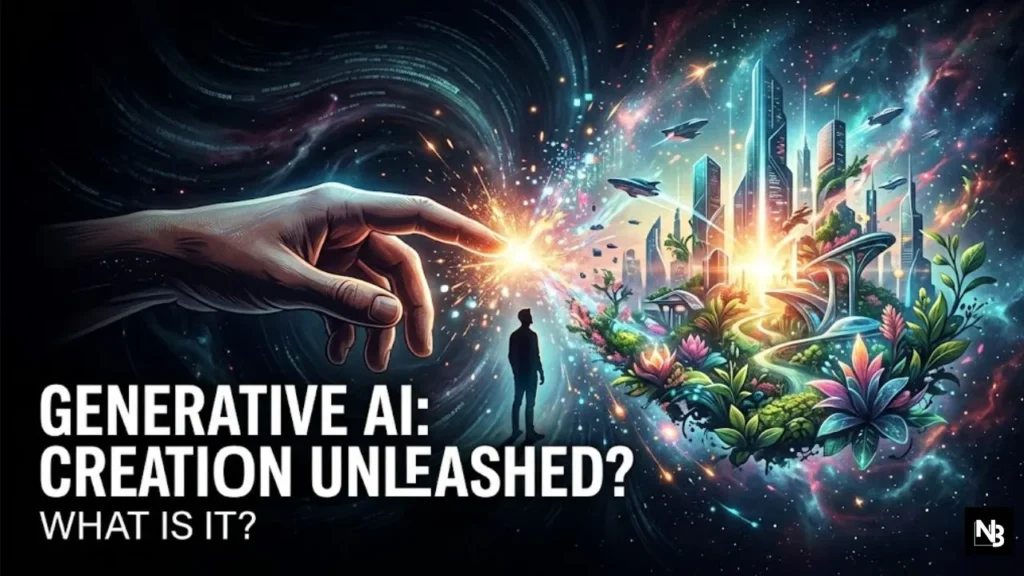
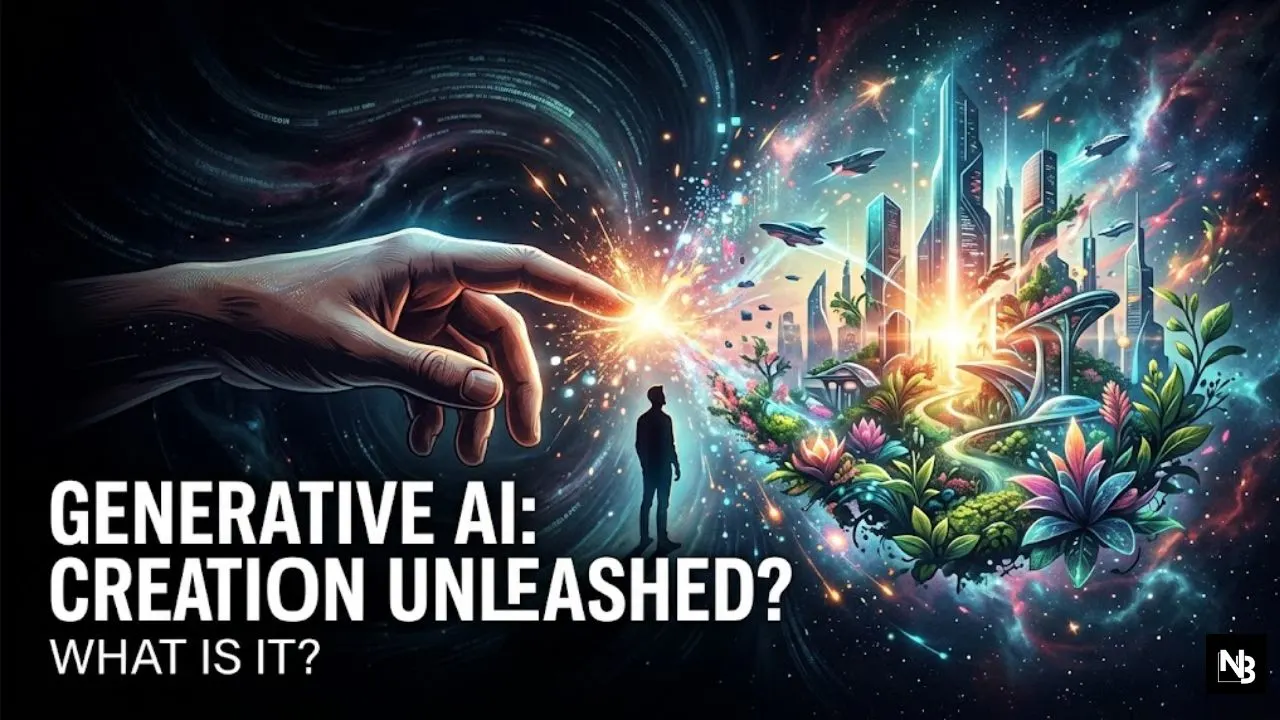
Generative AI (often called “gen AI”) is a powerful subset of artificial intelligence designed to generate new, original content. Instead of just fetching answers from a database or classifying existing data, it invents entirely new outputs, including text, images, audio, video, and software code.
Think of generative AI as an exceptionally well-read apprentice who has consumed millions of books, seen countless images, and listened to endless music. When you give it a prompt, it does not just regurgitate what it memorized; it attempts to “improvise” something entirely new in the same style. From drafting a polite email to your boss, to creating a photorealistic image of a futuristic city, generative AI builds it from scratch.
How Does Generative AI Work?
While the underlying mathematics are complex, the basic process can be broken down into three simple steps:
- Training on Massive Data: A model is fed gargantuan datasets containing text, images, or audio. During this training phase, it learns statistical patterns—how words string together, how light and shadow form visual features, or how musical notes create a melody.
- Predicting the Next Piece: When you type a text prompt, the model acts like a highly advanced version of smartphone autocorrect. Based on the patterns it learned, it predicts what should come next—be it the next word, the next pixel, or the next sound wave. It repeats this micro-step millions of times per second to build a complete output.
- Running on Advanced Neural Networks: Modern generative AI relies on deep-learning models. For text, these are called Large Language Models (LLMs). For visual content, developers use image models like GANs (Generative Adversarial Networks) or diffusion models.
Generative AI vs. Traditional AI
To truly grasp gen AI, it helps to know what it is not.
Traditional AI is primarily analytical. It exists to evaluate, classify, and organize data. We use traditional AI every day for spam detection in our inboxes, facial recognition on our phones, or Netflix recommendation algorithms.
Generative AI, on the other hand, is focused on creation. It generates content that did not exist before in that exact form. To summarize it in one line: If normal AI understands data, generative AI imagines with data.
ALSO READ
Best AI Apps for Android Users in 2026: A Feature-by-Feature Guide to Productivity and Creativity
Popular Examples of Generative AI Tools
The generative AI landscape is booming, with several accessible tools leading the charge:
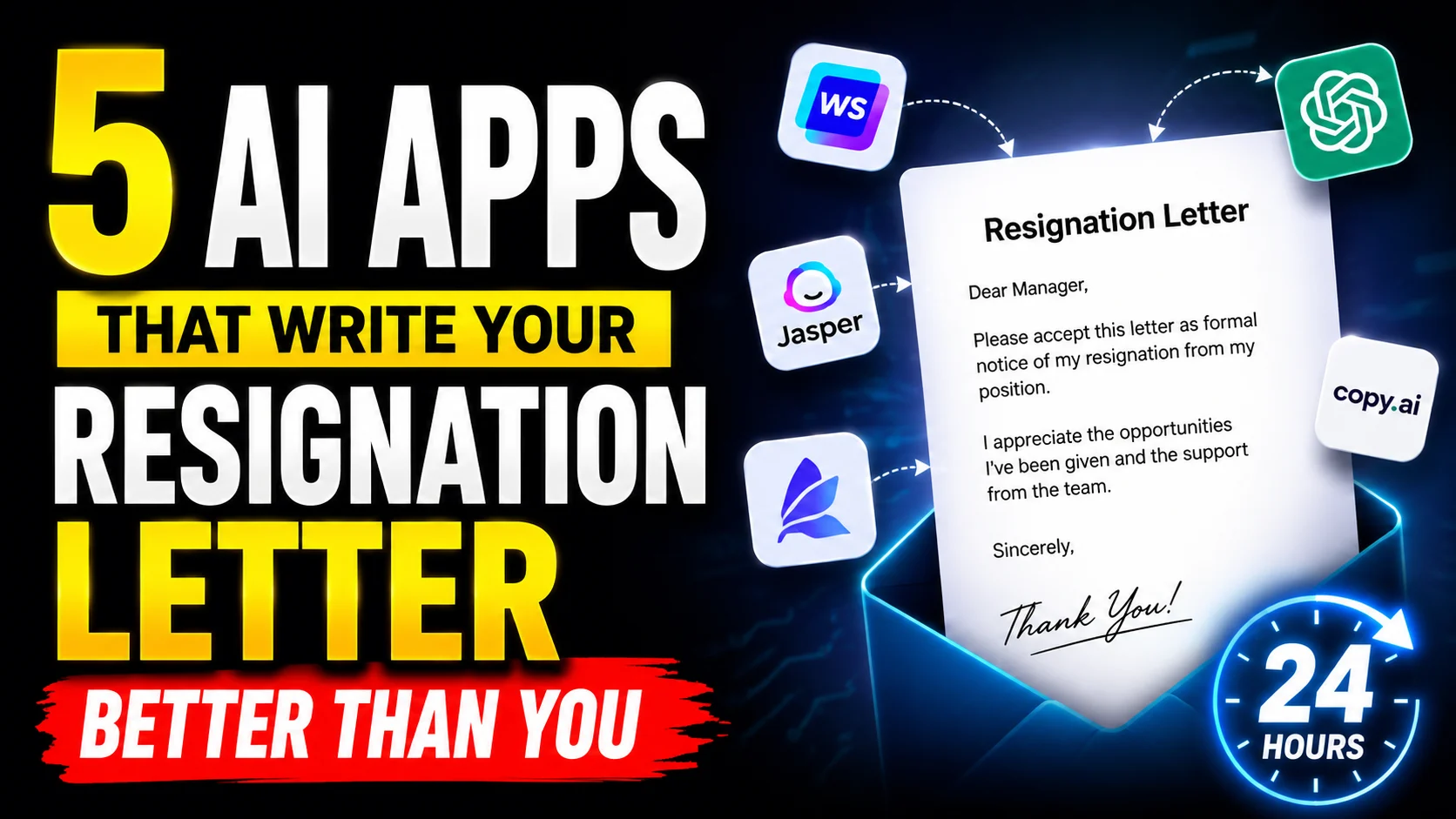
- Text & Chatbots: Platforms like ChatGPT, Google Gemini, and Anthropic’s Claude can write essays, draft social media posts, brainstorm ideas, and even write complex code based on conversational prompts.
- Images & Art: Tools such as DALL-E, Midjourney, and Stable Diffusion can instantly turn a descriptive text prompt into a stunning illustration, graphic, or photorealistic image.
- Audio & Video: Emerging platforms are now generating original background music, synthetic voice-overs, and short video clips from basic text or audio templates.
Common Real-World Uses
Generative AI is not just a novelty; it is a serious productivity booster. Across industries, professionals and everyday users are utilizing it to:
- Accelerate Content Creation: Draft and edit articles, emails, marketing newsletters, and video scripts.
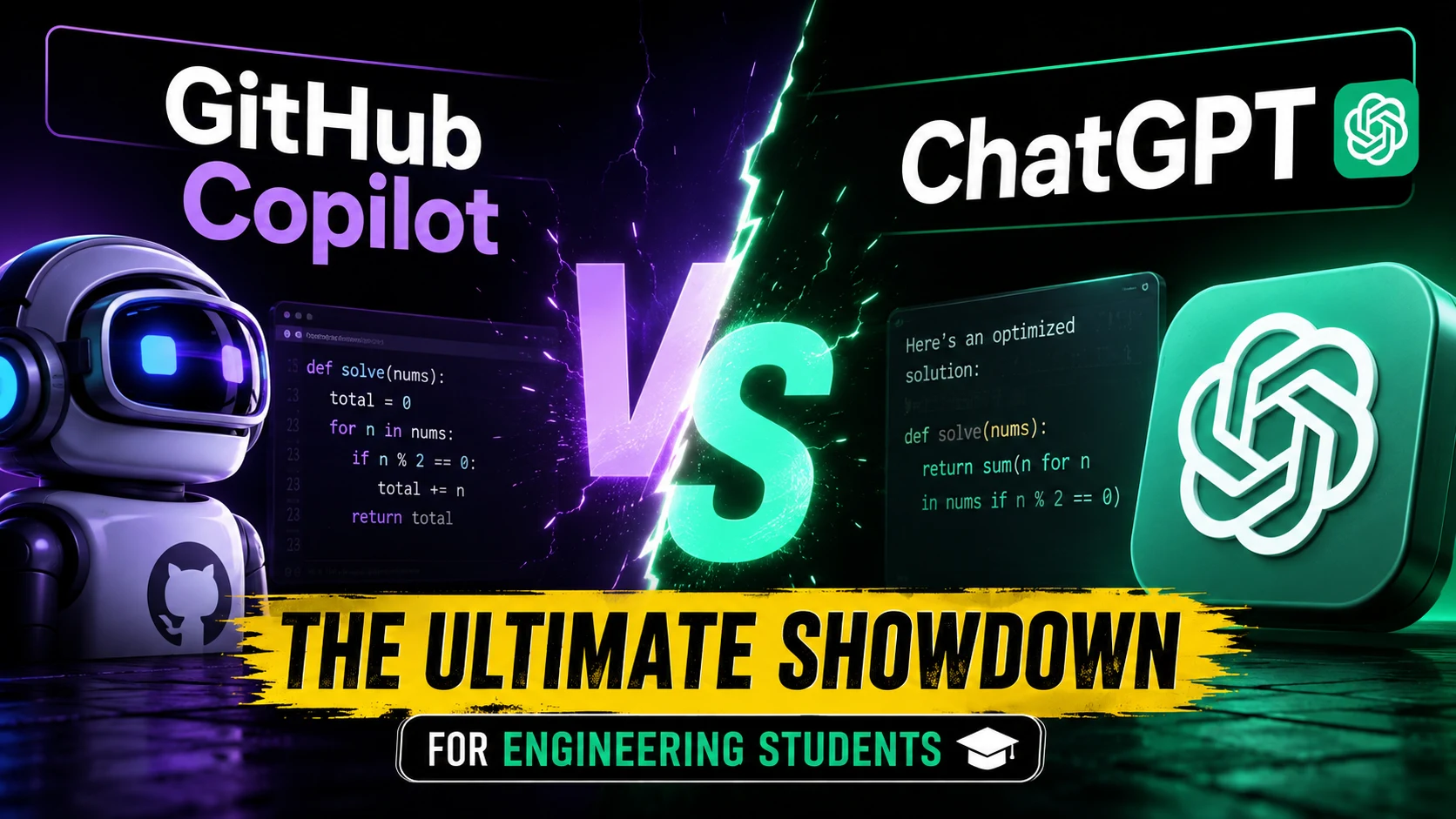
- Assist with Coding: Generate code snippets, debug software, and explain complex programming errors.
- Design and Prototype: Create logos, marketing visuals, architectural sketches, and user interface (UI) prototypes.
- Enhance Education: Break down complex concepts, generate custom practice quizzes, and serve as a 24/7 personalized tutor.
ALSO READ Top 10 AI Chrome Extensions That Actually Save Time in 2026 (No-Hype Picks)
Limitations and Risks
Despite its brilliance, generative AI is far from perfect. To use it responsibly, users must be aware of its flaws:
- “Hallucinations” and Inaccuracies: Gen AI models do not “know” facts; they predict patterns. Because of this, they can invent facts, statistics, or references that sound incredibly convincing but are entirely false.
- Bias and Copyright Issues: Because these models are trained on human-created internet data, they can inadvertently repeat societal biases or generate content that mimics copyrighted material too closely.
- Security Concerns: In the wrong hands, the technology can be misused to create deepfakes, spread misinformation, generate convincing phishing emails, or facilitate academic cheating.
Governments and regulators around the world are currently studying how to supervise AI tools responsibly, ensuring safety without stifling innovation.
The Bottom Line: How Should You Use It?
Ultimately, generative AI is a highly capable assistant, but it requires clear instructions and constant human supervision. It complements human work; it does not replace human judgment, empathy, or creativity.
Your Takeaway: The next time you face a blank page, a creative block, or a tedious repetitive task, try partnering with a generative AI tool. Brainstorm with it, let it draft the outline, and then use your unique human perspective to refine the final product. Dive in, experiment responsibly, and always remember to fact-check your new digital assistant.