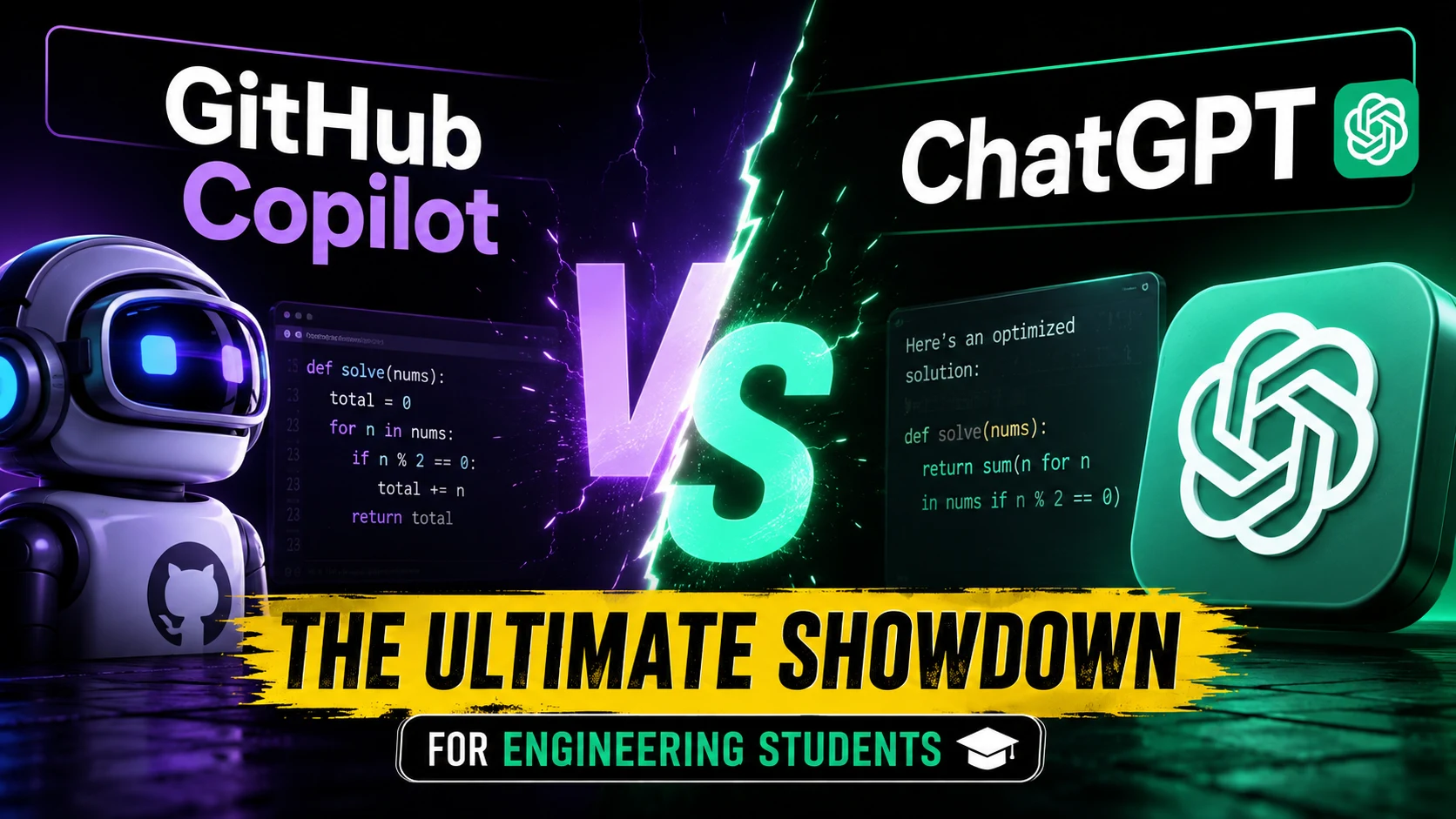
If you spend enough time in tech circles, you will inevitably hear someone declare that a specific AI assistant is definitively the “best.” But if you take a step back and ask ChatGPT, Claude, Gemini, and a handful of other Large Language Models (LLMs) the exact same question, the illusion of a singular “super AI” shatters immediately.
We are trained by decades of using Google to expect consistency: type in a query, get a relatively standard set of answers. But generative AI doesn’t work that way. To understand why, we looked at what happens when you feed identical prompts to different models—and what it reveals about the future of how we search, work, and think.
The Illusion of the “One Right Answer”

When you type a prompt into an AI chatbot, it isn’t pulling a pre-written answer from a static database.Instead, it is generating text on the fly, predicting the next most logical word based on probabilities and its specific training data.
This creates a phenomenon called non-determinism. Even if you ask the exact same model the same question twice, you might get different answers. Why?
- The “Temperature” Setting: AI models have built-in creativity dials called temperature. A high temperature encourages the AI to take risks and choose less obvious words, resulting in varied, creative outputs. A low temperature makes it rigid and repetitive.
- Batch Processing Quirks: Recent research reveals that AI companies group multiple user requests together into “batches” to save computing power. Because of the way computer processors handle complex floating-point math, the order in which these batches are calculated can slightly alter the output. It’s a math quirk that leads to vastly different responses, even when the creativity dial is turned down to zero.
The Experiment: One Prompt, Ten Wild personalities
When researchers and tech writers have tested the exact same prompt—such as asking for a realistic six-month plan for a beginner to learn a new skill—across 10 different models, the spread in quality and style is staggering.
Here is what typically happens when AIs face the same task:
- The Cheerleader: Some models lean heavily into pep-talk energy. They will give you excessive encouragement and bullet points full of emojis, but lack actionable substance.
- The Over-thinker: Slower, more methodical models often hand back tight, week-by-week plans with clear checkpoints. They take time to “reason” through the constraints of the prompt.
- The Confident Liar:At least one or two models will confidently state facts, quote non-existent statistics, or recommend outdated software. This is a classic AI hallucination, delivered with unsettling authority.
- The Coder:Models optimized for software development will often zero in on technical specifics, ignoring the human elements of the prompt to focus entirely on structural logic.
Key Insight: The difference in output quality often has less to do with how “smart” the model is, and more to do with how you phrase the prompt. A highly specific, well-phrased question fed to a mid-tier AI will almost always beat a lazy prompt fed to an industry-leading model.
Stop Settling, Start Comparing
The biggest mistake users make is treating AI like an oracle. If you only test one model, you might falsely conclude that “AI is bad at writing” or “AI can’t code,” simply because you used a model optimized for data analysis to write a creative essay.
To get the most out of generative AI, shift your mindset from “Which is the best AI?”to “Which AI is right for this specific task?”
- For fast brainstorming: Lean on faster, conversational models.
- For professional writing:Use models known for measured tones and larger context windows, which construct better sentences with fewer clichés.
- For research: Never trust a single output blindly. Run your prompt through two or three different models and compare the results. If they all agree, you’re on solid ground. If they diverge, you know exactly where you need to fact-check.
The Bottom Line
AI models are not search engines; they are customized thought partners. They each have distinct biases, training blind spots, and conversational quirks.
The Takeaway: The ultimate advantage in the AI era won’t belong to the person who has access to the most expensive model. It will belong to the person who stays curious, questions the first answer they receive, and knows how to critically compare outputs. Next time you need a complex answer, don’t just ask one AI. Ask three, and let them debate.
Have you noticed your favorite AI changing its answers lately? Drop your wildest AI response comparisons in the comments below!
Also Read I Asked AI to Predict My Future – Here’s What Happened