In 2026, artificial intelligence is no longer a mere novelty for digital creators; it is an inescapable structural necessity. With over 80% of content creators now relying on AI to sustain competitive output, the digital economy has fundamentally shifted. Yet, beneath the corporate promises of infinite scale lies a complex web of algorithmic penalties, regulatory crackdowns, and a growing crisis of online authenticity.
For ordinary citizens consuming information, and the millions of independent creators relying on digital platforms for their livelihoods, understanding the actual reality of AI tools is critical. As search engines evolve and governments intervene, the internet is aggressively dividing into two tiers: human-curated premium content and penalized, AI-generated noise.
The Structural Shift: Why AEO and GEO Matter
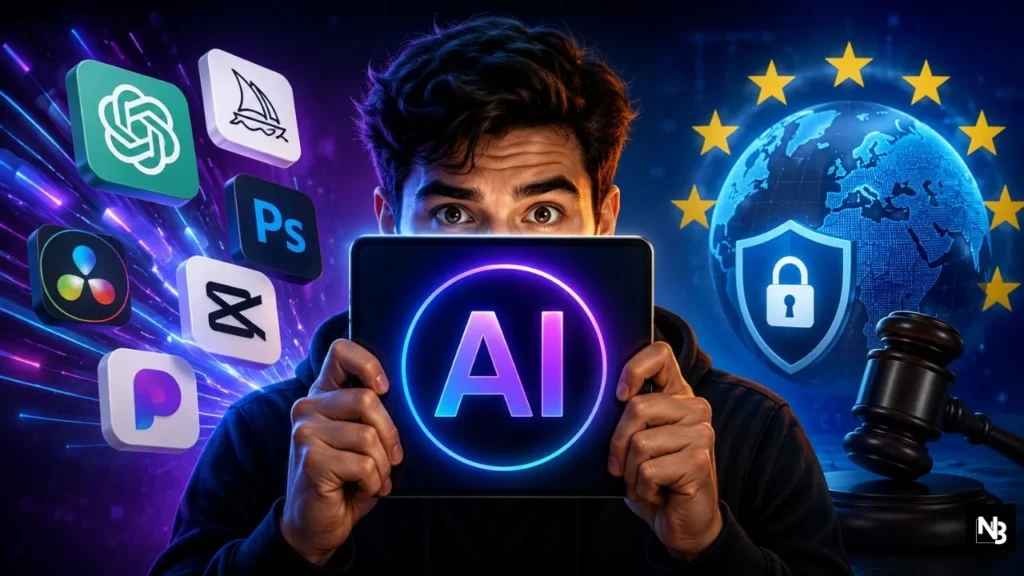
The rules of digital discovery have been rewritten. Industry data reveals that in 2026, over 60% of Google searches end without a click, primarily because AI Overviews answer user queries directly on the search page.
This institutional shift has birthed new survival metrics for creators: AEO (Answer Engine Optimization) and GEO (Generative Engine Optimization). If content is not formatted to be cited by AI engines, it risks total invisibility. Consequently, creators are forced to adopt sophisticated AI toolchains not just to create, but simply to be seen by the underlying algorithms governing the web.
The New Hierarchy: Best AI Tools for Content Creators in 2026
An unbiased assessment of the current market reveals that not all platforms are created equal. The most effective workflows separate generation from fact-checking and formatting.
1. Writing and Synthesis (AI Writing Tools Unbiased)
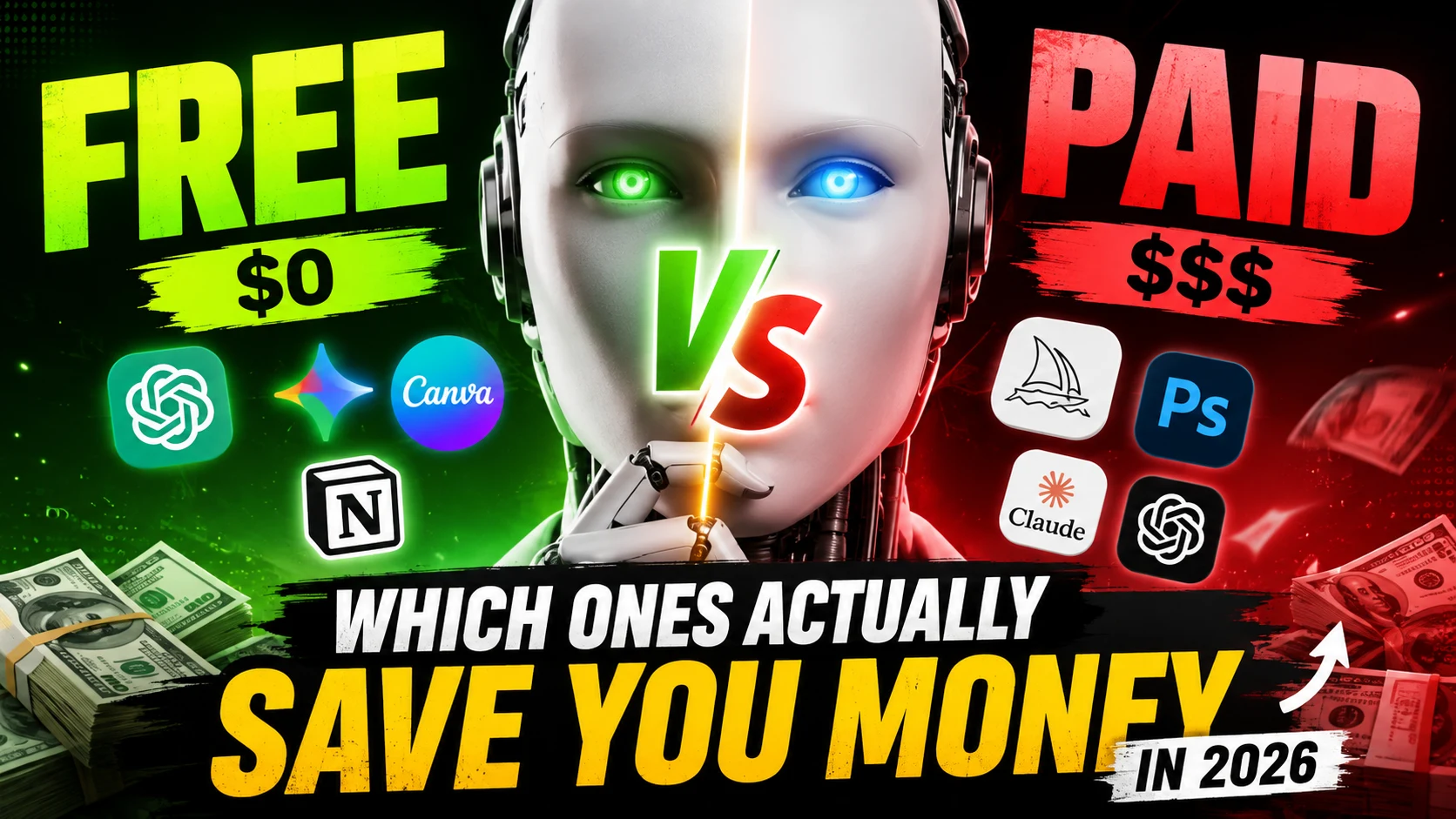
- Claude AI (Anthropic): Currently leading for natural, long-form writing that retains a human cadence. At $20/month, it is widely used by investigative writers, though it can process queries slower than competitors.
- ChatGPT (OpenAI): The default for idea expansion, hooks, and basic drafting. However, it requires aggressive fact-checking due to a sustained high rate of institutional “hallucinations” (invented facts).
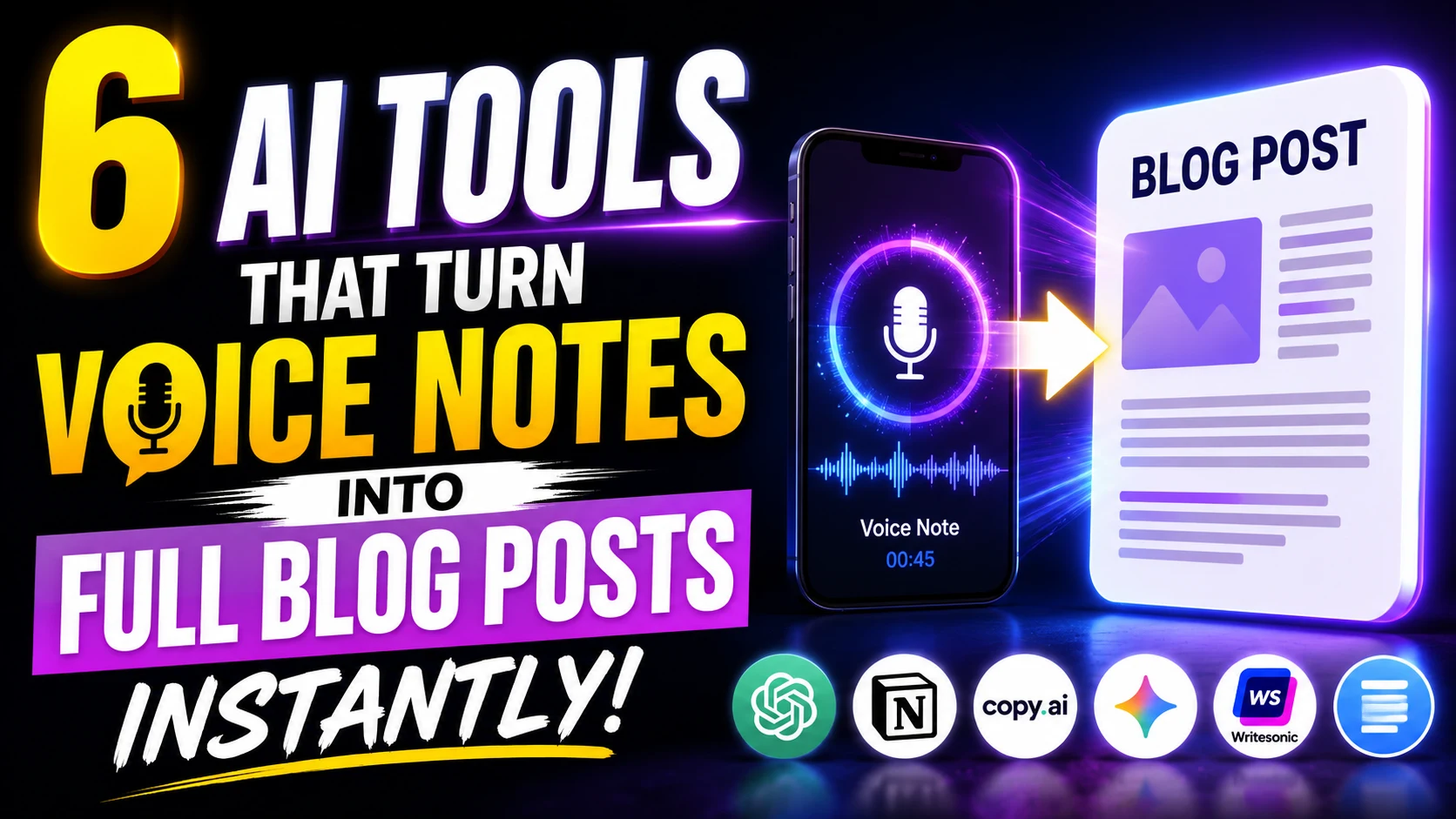
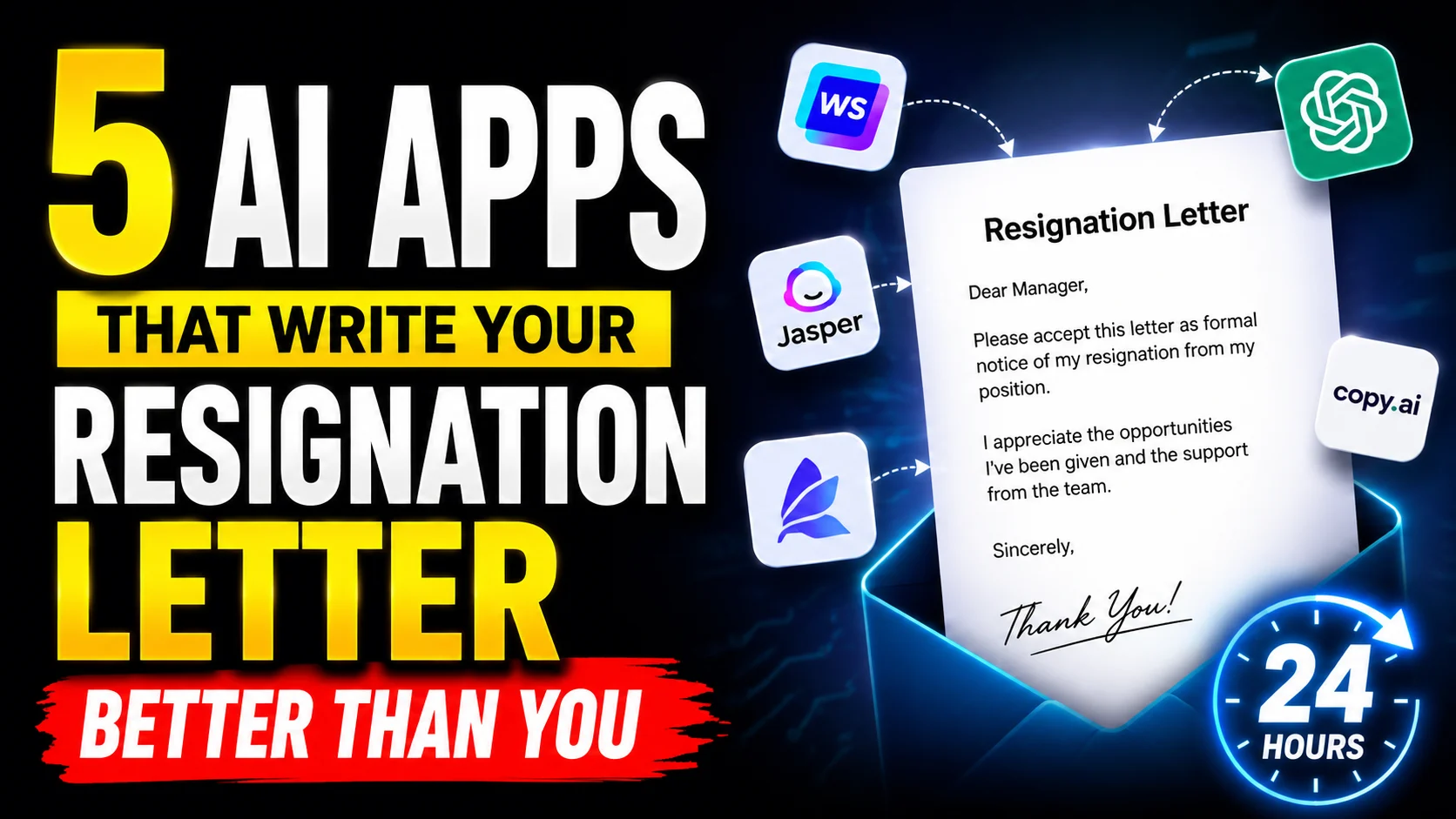
- Jasper & Writesonic: Positioned for high-volume enterprise and SEO marketing, though both require heavy human editing to avoid search engine penalties for “scaled content abuse.”
2. Research and Verification
- Perplexity AI: Has become essential for factual research. Unlike traditional chatbots, it provides live, clickable citations, forming the foundation of modern AEO strategies.
- AnswerThePublic: Crucial for identifying exact questions audiences are typing into search engines, aligning with new intent-data requirements.
3. Visuals and Media
- Midjourney V7 & Leonardo AI: Offer the highest quality for custom thumbnails and visual branding.
- Adobe Firefly & Canva AI: For creators concerned with intellectual property, these represent the safest corporate options. They are trained strictly on licensed data, shielding users from emerging copyright lawsuits that plague mixed-data models.
4. Video and Audio (AI Content Repurposing Tools)
- Opus Clip & Descript: Have revolutionized post-production, allowing creators to automatically edit text transcripts and slice long-form videos into high-performing short clips.
- ElevenLabs: Continues to dominate the market for AI voice generators 2026, offering hyper-realistic voiceovers and 29-language dubbing, fundamentally altering the economics of international content distribution.
The Illusion of Automation: Corporate Incentives vs. Creator Risks
Despite the marketing campaigns of Silicon Valley, AI is not a shortcut to quality; it is merely an accelerator of speed. Relying entirely on free AI tools for content creation without human oversight introduces severe vulnerabilities.
- Fact and Citation Failures: AI tools do not cite sources by default and frequently invent statistics. Creators who fail to manually verify data using frameworks like Lateral Reading face severe credibility loss.
- The Plagiarism Trap: Generative models often recycle existing web content without sufficient rephrasing, exposing creators to copyright strikes and SEO demotions.
- Loss of Emotional Intelligence: Algorithms cannot replicate lived experience, cultural nuance, or genuine human empathy—the core drivers of long-term audience loyalty.
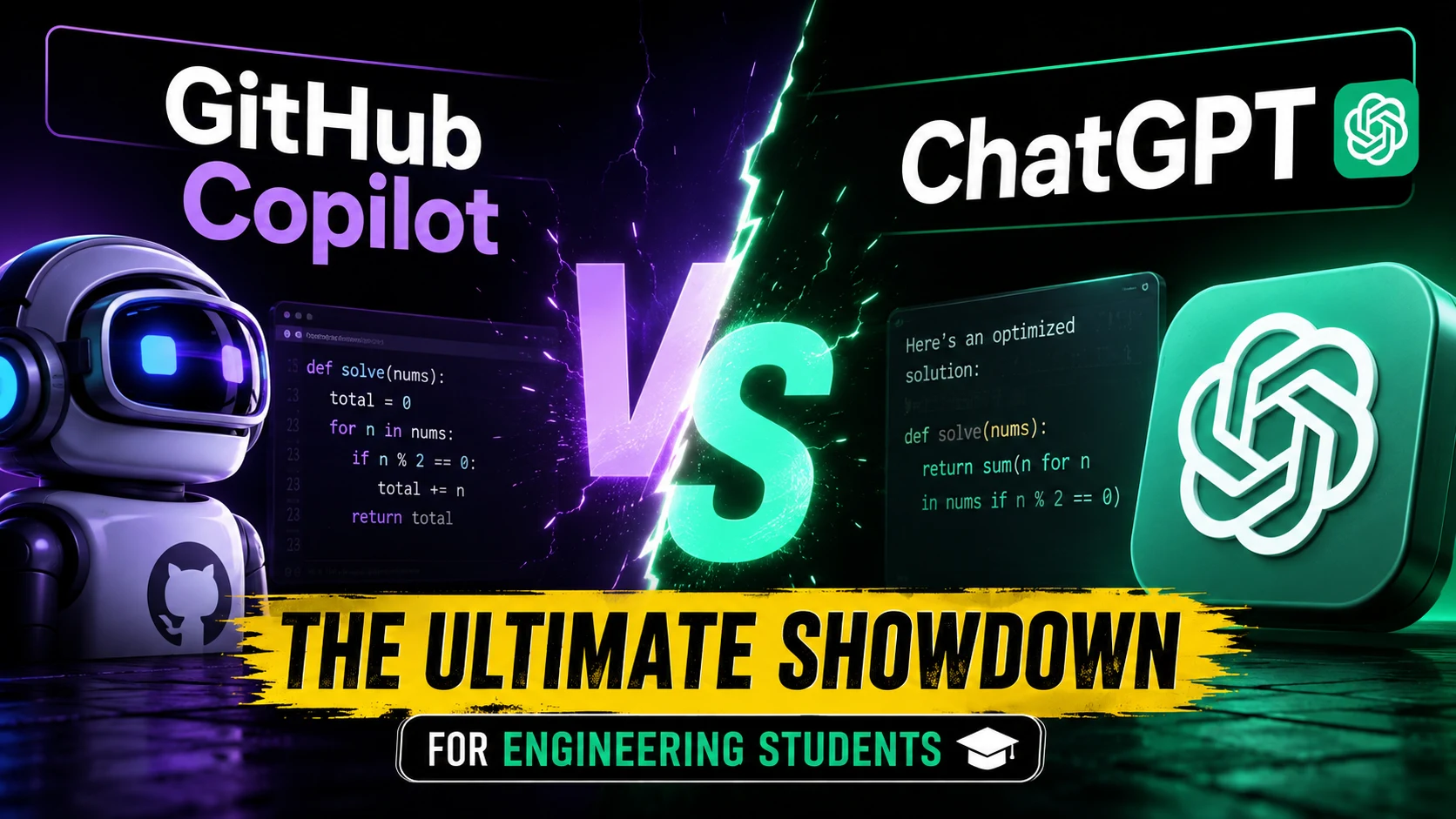
ALSO READ– ChatGPT vs Gemini in 2026: Which AI Is Better for Everyday Use?
Institutional Pressure: The Regulatory Crackdown
The most significant development in 2026 is the intervention of the state. Governments and monopoly tech platforms are simultaneously tightening their grip on synthetic media.
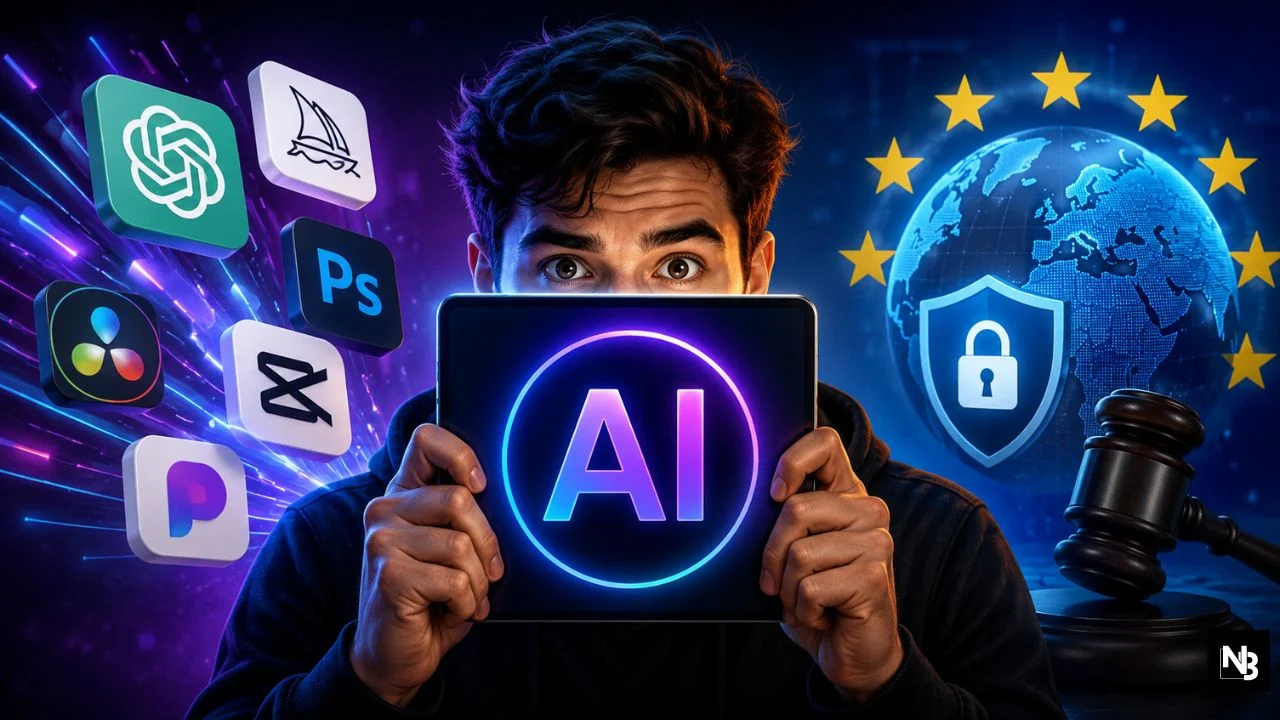
The European Union’s AI Act, with aggressive enforcement beginning in August 2026, mandates strict transparency requirements for AI-generated content. Globally, AI censorship is expanding, with enterprise tools quietly filtering politically sensitive or culturally divisive topics to appease regional laws.
Simultaneously, platforms are enforcing their own privatized regulations. YouTube now requires mandatory disclosure labels for synthetic media (such as AI faces or voices). Google is not explicitly banning AI content, but its latest core updates ruthlessly penalize “lazy,” unedited algorithmic output. Big Tech is effectively selling the tools of automation while punishing those who use them without human refinement.
ALSO READ Best Free AI Tools for Students in 2026: Study, Write, and Save Time
Conclusion: The Human Premium
The digital economy is experiencing a necessary correction. The early days of thoughtlessly copy-pasting AI output for easy monetization are definitively over.
A sustainable modern workflow—often blending Perplexity for research, Claude for drafting, Canva for visuals, and Opus Clip for AI tools for YouTube creators—can save a professional up to 10 hours a week. However, this efficiency is only valuable if the time saved is reinvested into original thought, investigative depth, and human connection.
To survive the algorithmic and regulatory purges of 2026, creators must view AI purely as an administrative assistant, not an executive editor. True competitive advantage no longer lies in how much content one can produce, but in how much undeniable humanity one can inject into it.
Ultimately, artificial intelligence can synthesize the entirety of human knowledge, but it cannot care about the truth—that profound responsibility remains exclusively ours.