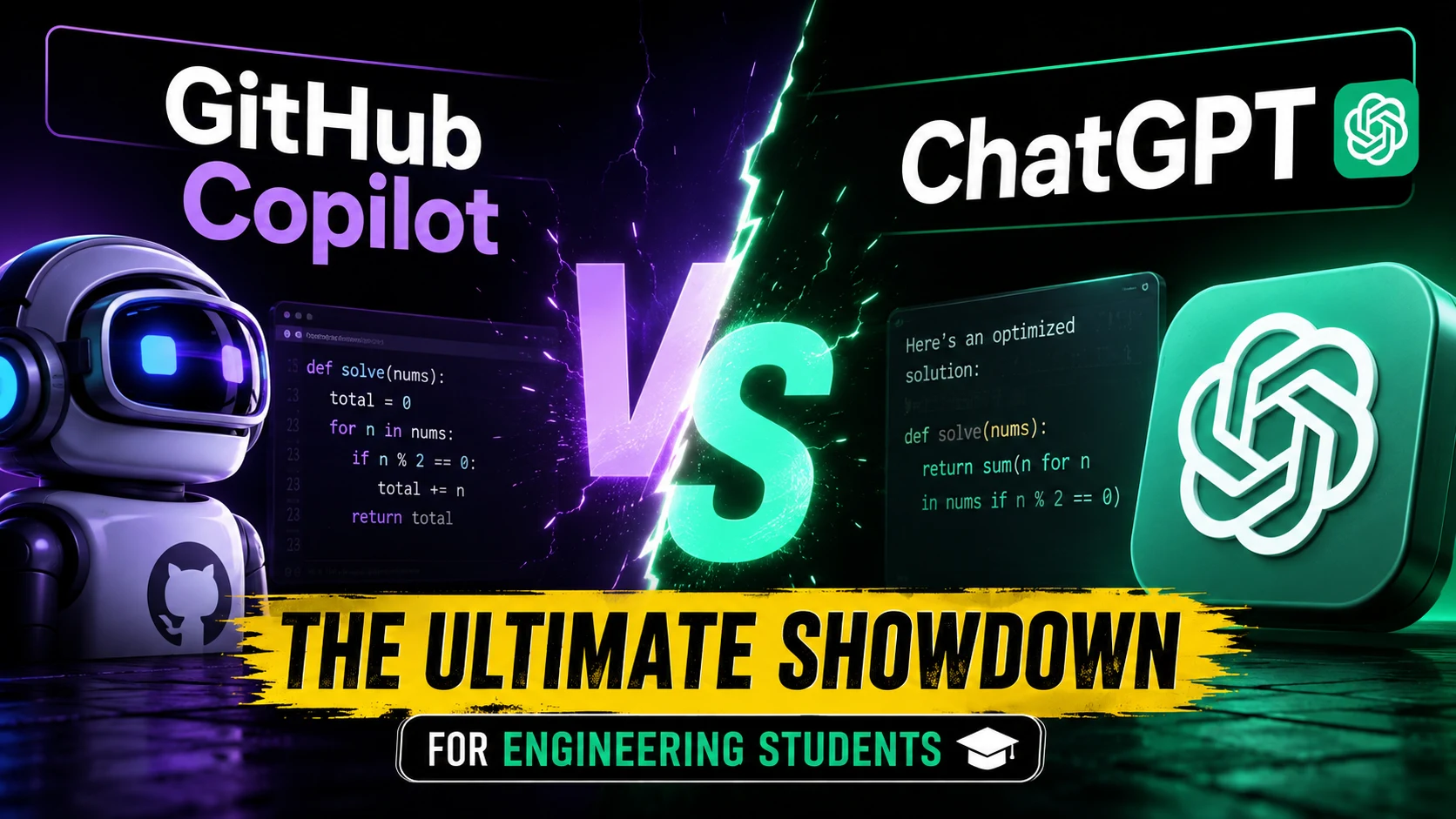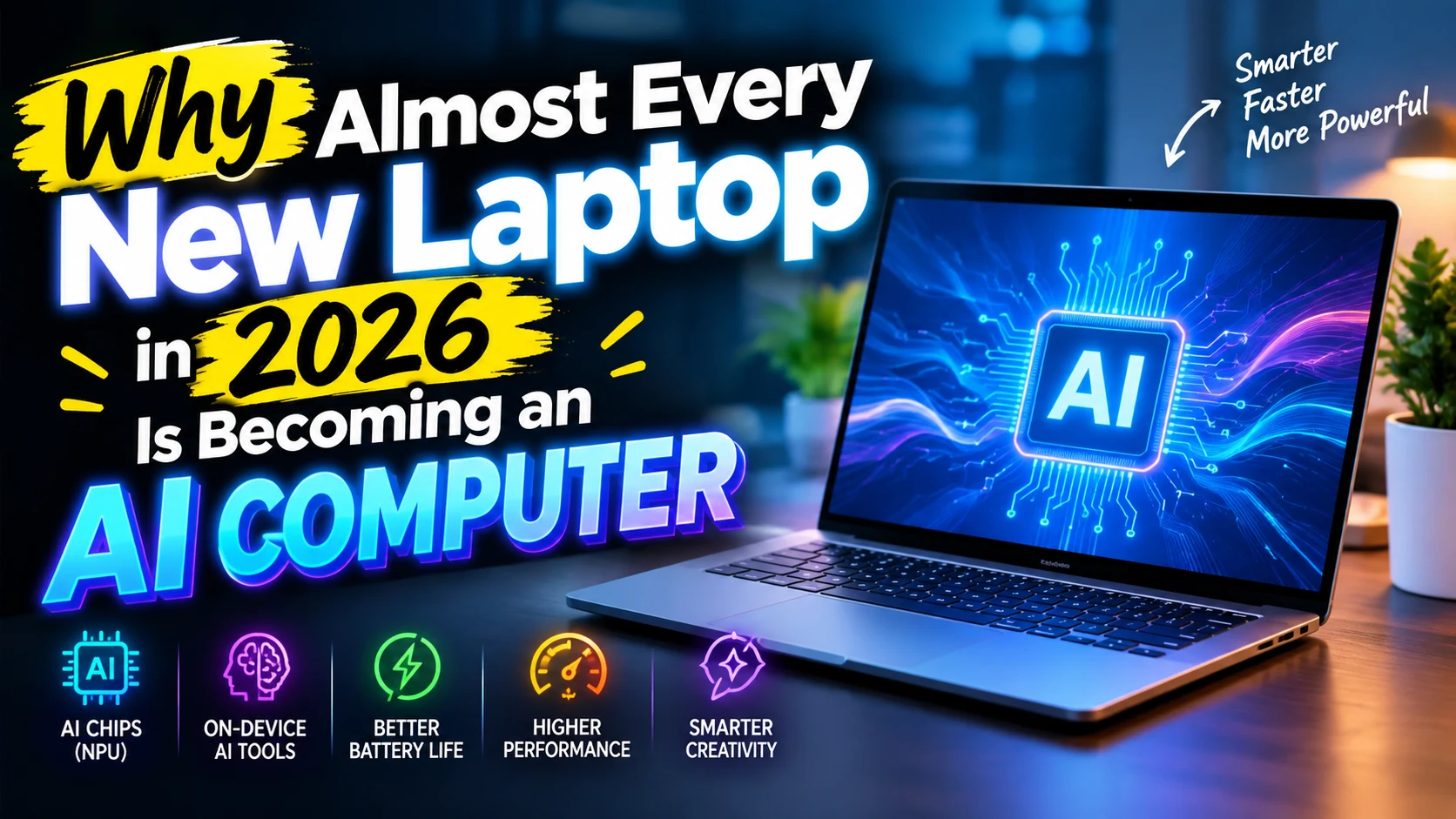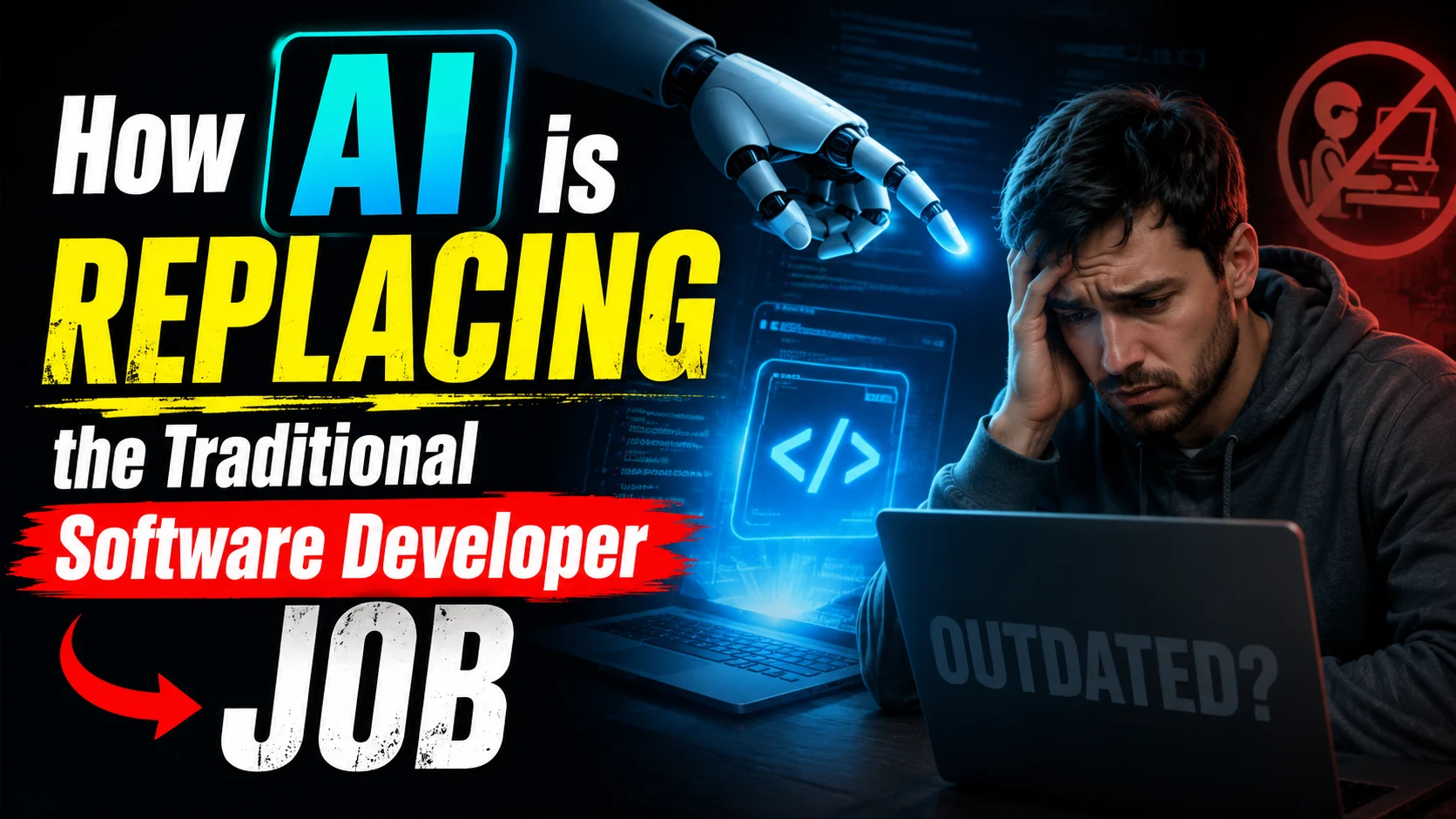
The days of typing out boilerplate code for hours on end are officially over. In 2026, artificial intelligence isn’t just suggesting your next line of syntax—it is reading product tickets, debugging complex errors, and deploying entire features while you sleep. The traditional software developer job is quietly vanishing, but what is emerging in its place is a completely transformed, high-stakes technology landscape.
From Autocomplete to Autonomous Agents
If 2024 was the year of the AI “copilot”—a handy tool that predicted simple code snippets—2026 is undeniably the era of the autonomous coding agent. We have moved from AI acting as a sophisticated calculator to AI acting as a highly capable intern.
The numbers driving this shift are staggering. Today, nearly 46% of all code written by active developers is generated by artificial intelligence. GitHub Copilot alone has surged past 20 million users, with developers retaining a massive 88% of AI-generated code in their final production submissions. AI agents now possess “repository intelligence”—they understand entire codebases, plan multi-file changes, and run automated testing protocols without human prompting.
For businesses, the return on investment is impossible to ignore. AI coding tools are saving developers an average of 3.6 hours per week, reducing pull request and development cycle times by up to 75%. Tasks that once took a senior engineering team over a week are now routinely completed in less than three days. But this unprecedented surge in productivity has triggered a profound disruption in the tech labor market.
The Junior Developer Crisis: A Broken Career Ladder?
The most immediate casualty of the AI coding revolution is the entry-level programmer. For decades, the career on-ramp for a software engineer was straightforward: juniors were hired to write basic code, fix minor bugs, and learn system architecture under the watchful eye of senior mentors.
Today, AI tools excel at exactly these intellectually mundane, repetitive tasks. A recent Harvard University study tracking 62 million workers revealed a sobering reality: at companies that actively adopted AI, junior developer employment dropped by nearly 10% within six quarters, while overall entry-level hiring shrank dramatically. In fact, tech internship postings and traditional junior roles have plummeted across the global industry.
Companies are facing a complex paradox. AI makes junior developers significantly more productive, but instead of expanding junior teams, many organizations are opting to equip their senior engineers with AI agents, bypassing entry-level hires altogether. Engineering leaders warn of a dangerous “slow decay”—if the industry stops hiring and mentoring juniors today, a massive leadership and architectural vacuum will inevitably form over the next five to ten years.
The Rise of the “Seniorized” Engineer
Despite the squeeze on entry-level positions, AI is not a job-killer for the tech industry as a whole. Instead, it is acting as a job expander that fundamentally redefines daily workflows. Total software developer employment continues to grow, but the nature of the work has been heavily “seniorized”.
The modern software developer is no longer just a coder; they are an orchestrator. According to the World Economic Forum, 65% of developers expect their roles to shift away from routine coding and toward architecture, integration, and AI-enabled decision-making.
This new developer workflow demands a vastly different skill set:
- System Architecture: As one industry expert noted, anyone can generate code using AI, but not everyone can design complex systems that scale and perform well over time.
- AI Orchestration: Engineers must now manage multiple AI tools and autonomous agents to execute multi-step development tasks simultaneously.
- Code Validation and Security: With AI-assisted coding linked to four times more code cloning, the ability to spot subtle logic errors, security vulnerabilities, and technical debt is paramount. Experienced human oversight remains the final barrier against catastrophic software failures.
- Domain Expertise: Developers are now required to deeply understand the underlying business logic of industries like healthcare, finance, or manufacturing, rather than just knowing how to write JavaScript or Python.
Adapting to the New Tech Landscape
As we navigate 2026, the transition from manual programming to AI-driven software engineering is essentially complete. Organizations are increasingly prioritizing skills-first hiring over traditional degrees, with specialized roles like AI Automation Engineer, Prompt Engineer, and MLOps Engineer commanding massive premium salaries.
For aspiring programmers, the barrier to entry has officially shifted. Knowing basic syntax is no longer enough to land a lucrative tech job. New developers must position themselves as productivity multipliers—mastering AI tools, building comprehensive public portfolios, and demonstrating an ability to solve high-level business problems.
The Bottom Line: AI isn’t destroying the software developer job; it is aggressively upgrading it. The future belongs to those who view artificial intelligence not as a competitor, but as a powerful lever to build faster, scale larger, and think bigger.
Are you ready for the shift? Take a hard look at your current skill set. If your primary professional value is writing boilerplate code, it’s time to pivot. Start learning system design, practice advanced AI orchestration, and elevate your architectural thinking today—because the AI revolution isn’t waiting for anyone.
Also Read 3 Banned AI Tools You Weren’t Supposed to Know About